
How Interactive Learning Boosts Cognitive Development in Children


The Importance of Interactive Learning
Interactive learning is a dynamic educational approach that actively engages children in the learning process. This method encourages participation, allowing children to explore concepts through hands-on activities and collaborative tasks. It goes beyond traditional teaching by fostering a more comprehensive understanding of the subject matter.
Research has shown that interactive learning plays a crucial role in children's cognitive development. By involving multiple senses and promoting active engagement, children develop critical thinking and problem-solving skills more effectively. This approach is not only beneficial academically but also aids in social and emotional growth.
Enhancing Memory Retention
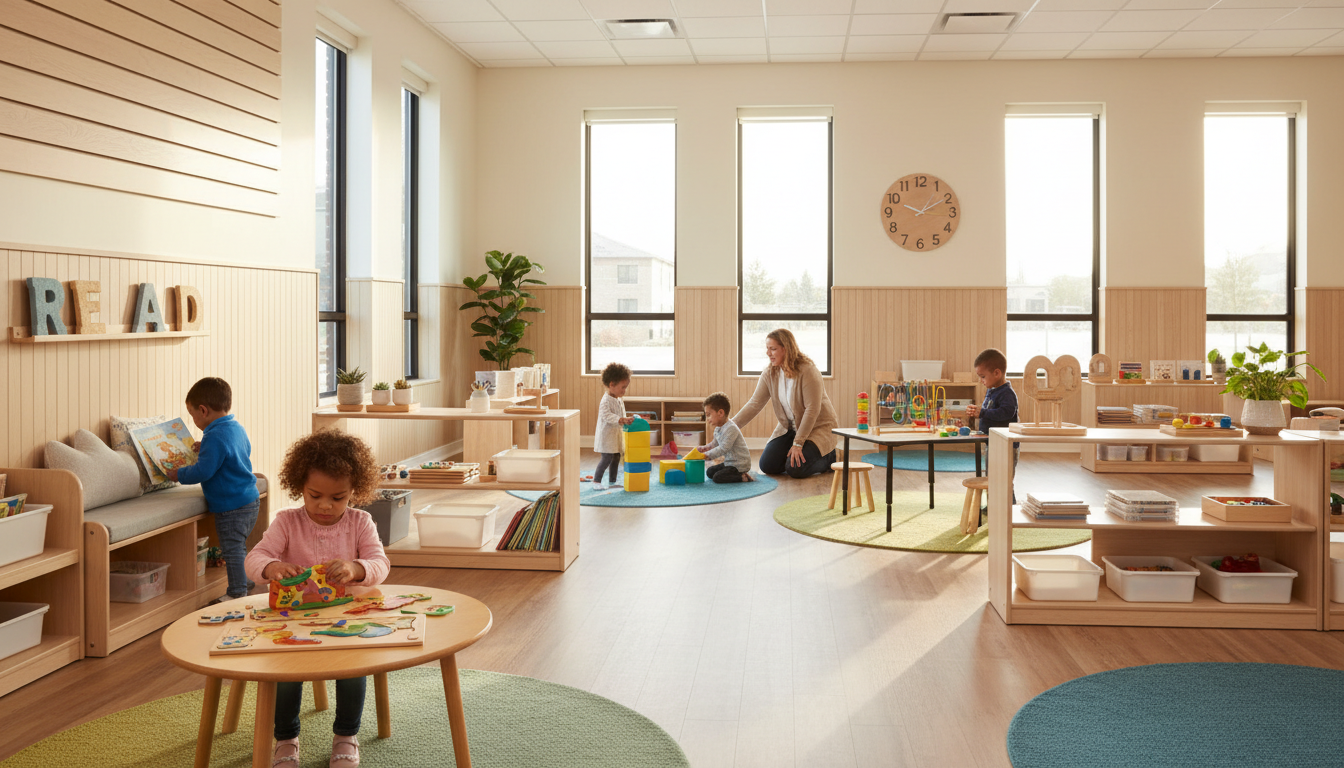
Interactive learning techniques significantly enhance memory retention in children. Activities like group discussions, interactive games, and project-based learning require active participation, which helps children retain information more efficiently. When children are engaged, they are more likely to remember what they have learned and apply it in real-life situations.
Moreover, techniques such as storytelling or role-playing can make complex subjects more relatable and memorable. This approach helps to cement knowledge in long-term memory, making it easier for children to recall information when needed.
Developing Critical Thinking Skills
Interactive learning encourages children to think critically and question the information presented to them. By engaging in debates, problem-solving activities, and collaborative projects, children learn to analyze situations, evaluate different perspectives, and develop well-reasoned conclusions.

These critical thinking skills are essential for success in today's rapidly changing world. By fostering a questioning mindset, interactive learning prepares children to tackle complex challenges and adapt to new environments with confidence.
Building Social and Emotional Skills
Interactive learning also plays a vital role in developing social and emotional skills. By working in groups, children learn to communicate effectively, resolve conflicts, and collaborate towards a common goal. These interactions help children build empathy and understanding, which are crucial for forming healthy relationships.
Furthermore, interactive learning environments often provide opportunities for children to express themselves creatively and emotionally. This freedom of expression helps in building self-esteem and emotional resilience.

Fostering Creativity and Innovation
By allowing children to explore and experiment, interactive learning fosters creativity and innovation. Children are encouraged to think outside the box, try new ideas, and learn from their mistakes. This nurturing of creativity is essential for developing innovative thinkers who can contribute to society in meaningful ways.
Through activities such as art projects, science experiments, and creative writing, children learn to approach problems creatively and develop unique solutions. This skill set is invaluable in a world that increasingly values innovation and adaptability.
Conclusion
In conclusion, interactive learning is a powerful tool in boosting cognitive development in children. By enhancing memory retention, developing critical thinking skills, and fostering social and emotional growth, this approach prepares children for future success. As educators and parents, embracing interactive learning methods can significantly impact a child's educational journey and overall development.