
Seasonal Activities to Enhance Learning at Home


Introduction to Seasonal Learning
As the seasons change, so do the opportunities for learning at home. Engaging in seasonal activities not only makes education fun but also helps children connect with the world around them. By incorporating the natural rhythms of the year into your educational routine, you can enhance learning in a meaningful way.
In this post, we'll explore different seasonal activities that can enrich your child's learning experience at home. From science experiments to creative arts, there's something for every interest and age group.
Science Experiments by Season
Spring: Plant Growth
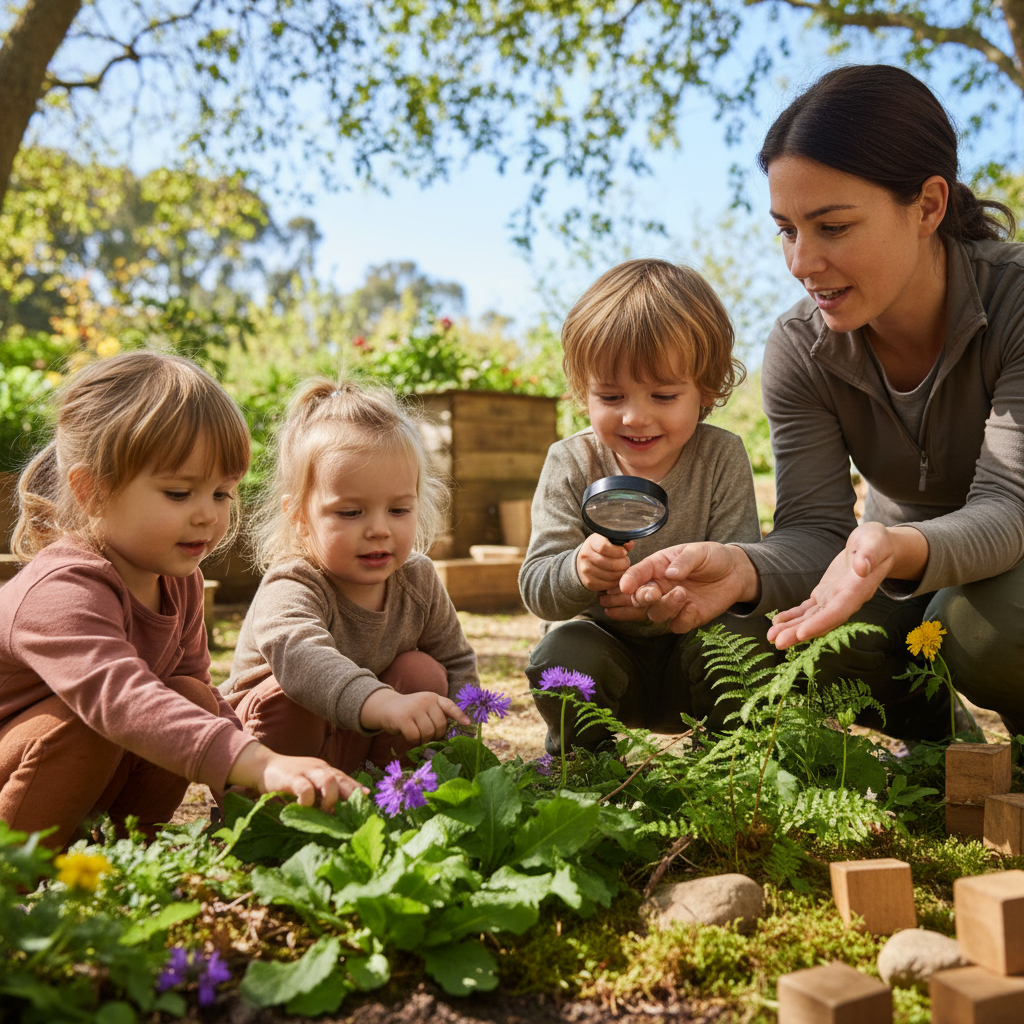
Spring is the perfect time to explore plant biology. You can start a small garden or even a windowsill planter. Teach children about photosynthesis, plant anatomy, and the importance of sunlight and water for growth. Keep a daily journal to track the progress of your plants.
Winter: Snowflake Studies
Winter offers a unique opportunity to study snowflakes and ice. Encourage children to observe snowflakes with a magnifying glass and discuss their unique shapes. You can also conduct simple experiments to learn about freezing and melting by creating ice sculptures.

Creative Arts Through the Seasons
Summer: Nature Art
Summer provides a wealth of natural materials for art projects. Collect leaves, flowers, and stones to create beautiful nature collages. This activity can teach children about textures, colors, and patterns found in nature. It's also a great way to encourage environmental awareness.
Autumn: Leaf Art
Autumn's vibrant colors inspire creativity. Use fallen leaves to make leaf rubbings or create a leaf mosaic. Discuss the changing colors and why leaves fall, introducing basic concepts of botany and the life cycle of trees.

Mathematical Concepts in Seasonal Activities
Spring: Counting and Measuring
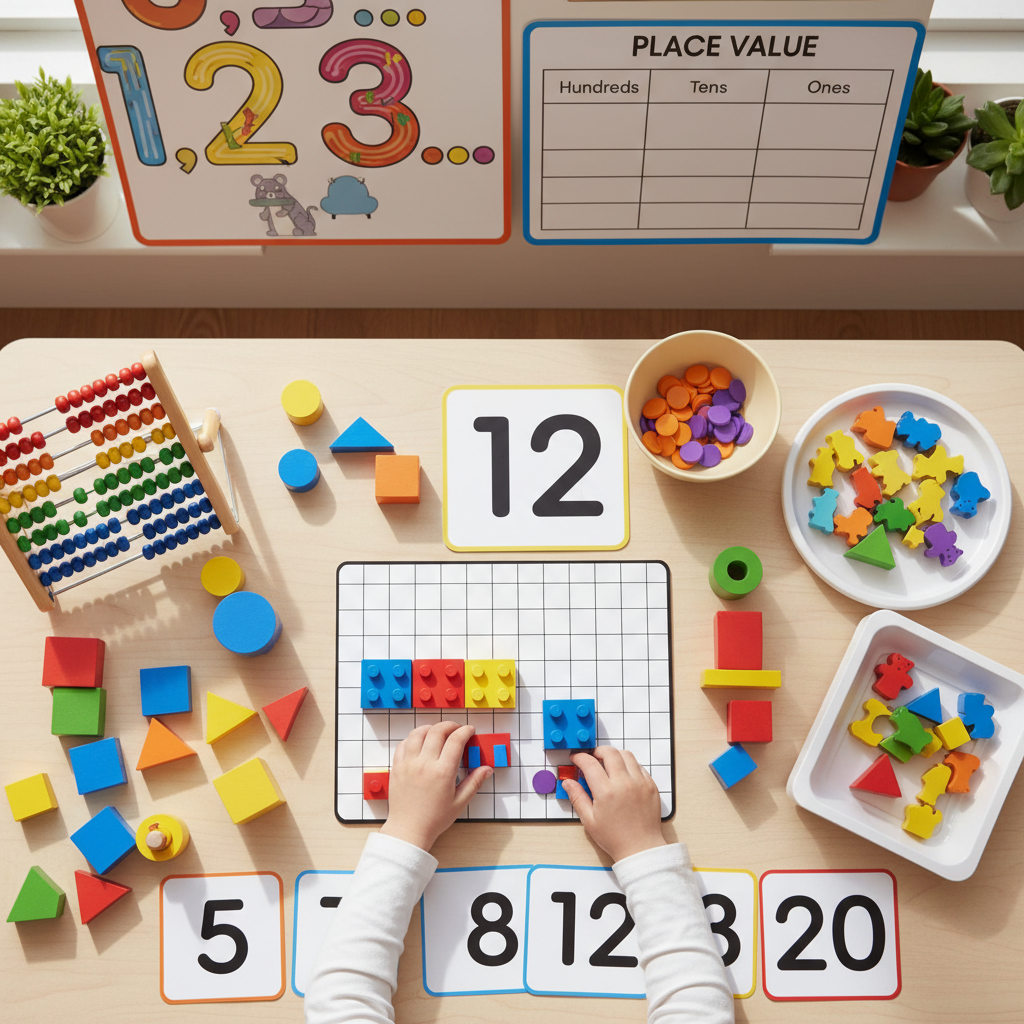
Springtime gardening can be a practical way to teach counting and measurement. Have children count seeds, measure soil depth, and track plant growth over time. These activities reinforce basic math skills in a real-world setting.
Winter: Symmetry and Geometry
Snowflakes offer a natural lesson in symmetry and geometry. Create paper snowflakes to explore these concepts further. Discuss the mathematical principles behind the unique designs of each snowflake.
Conclusion: Embrace the Seasons
By integrating seasonal activities into your home learning routine, you can provide a dynamic and engaging educational experience. These activities not only enhance academic learning but also foster a deeper appreciation for the natural world. Embrace the seasons and watch as your child's curiosity and knowledge grow throughout the year.